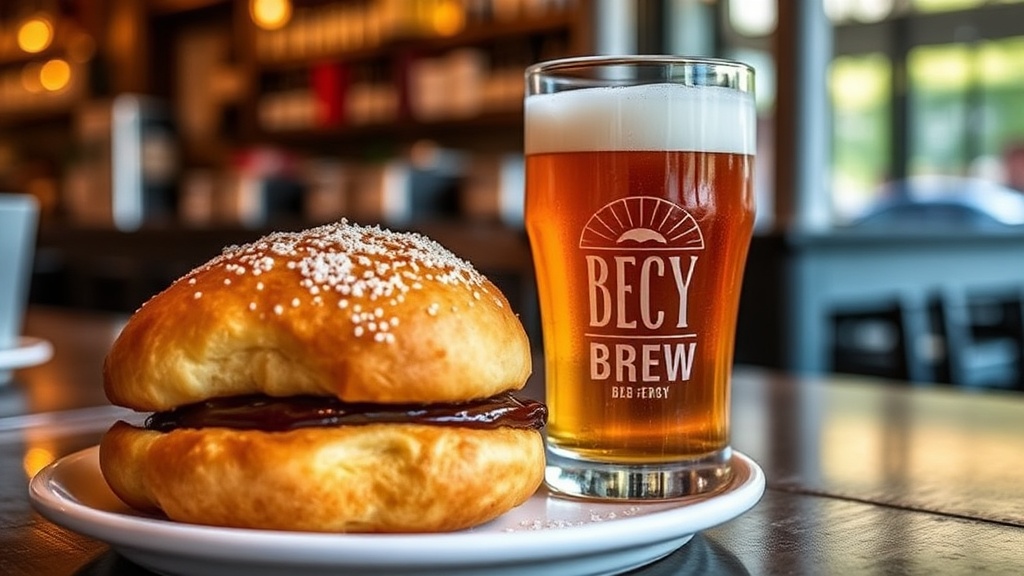
Find Your Next Favorite Local Brew and Pastry Pairings

Have you ever sat in a local coffee shop or a cozy pub and wondered why certain flavors just work perfectly together? This post breaks down the art of pairing local beverages with seasonal pastries and baked goods found right here in the Grimsby and Niagara area. We're looking at how to match acidity, sweetness, and texture to make your morning coffee or afternoon treat even better.
What Makes a Good Coffee and Pastry Pairing?
A great pairing happens when the flavors of your drink and your food either complement one another or provide a deliberate, pleasant contrast. If you're drinking a dark, smoky roast, a heavy pastry with butter notes usually wins. If you're sipping a light, fruity tea, a delicate lemon tart might be the better move.
It's all about balance. You don't want one element to completely drown out the other. For example, a super sugary donut paired with a high-acid light roast coffee can sometimes feel a bit jarring on the palate. You want a rhythm—a little bit of way and a little bit of pull.
Think about the way a creamy latte interacts with a cinnamon roll. The milk fat coats the tongue, which helps soften the sharp spice of the cinnamon. It's a classic for a reason. (And yes, sometimes a simple butter croissant is all you really need when the coffee is high quality.)
If you're a fan of a slow morning, you might enjoy checking out these scenic coffee break spots in Grimsby to test these combinations yourself.
The Science of Flavor Profiles
When we talk about "flavor profiles," we aren't just being fancy. We're talking about the actual chemical components that hit your taste buds. Coffee can be bitter, acidic, or sweet. Pastries can be salty, sugary, or even slightly fermented if you're eating a sourdough-based pastry.
The Three Pillars of Pairing:
- Acidity: High-acid drinks (like light roast coffee or fruit teas) pair well with creamy, fat-heavy foods to cut through the richness.
- Sweetness: Sweet treats need a bit of bitterness to keep them from being cloying. A dark chocolate croissant is a perfect partner for a bitter espresso.
- Texture: A crunchy, flaky pastry provides a great textural counterpoint to a smooth, velvety hot chocolate.
According to the Wikipedia entry on coffee flavor profiles, the roasting process significantly changes the level of acidity and bitterness. This is why a light roast might taste like berries, while a dark roast tastes like toasted cocoa. You have to know what you're working with before you pick your snack.
Which Pastries Go Best with Dark Roasts?
Dark roast coffee pairs best with rich, heavy, and often chocolate-based or spice-heavy baked goods. Because dark roasts have a low acidity and a high level of roasted bitterness, they can stand up to intense flavors without being overwhelmed.
Here is a quick cheat sheet for your next cafe visit:
| Drink Type | Ideal Pastry Pairing | Why It Works |
|---|---|---|
| Dark Roast Coffee | Chocolate Croissant | The bitterness cuts the sugar and fat. |
| Medium Roast | Cinnamon Roll | The roast is balanced enough for spices. |
| Light Roast/Tea | Lemon Scone | Bright acidity meets bright citrus. |
| Oat Milk Latte | Blueberry Muffin | Creaminess balances the fruit acidity. |
I've found that if you go too heavy on the sugar with a dark roast, you lose the nuances of the coffee. It becomes a "sugar-and-bitter" battle rather than a harmonious snack. A little bit of salt in a pastry—like a salted caramel tart—can also bridge that gap beautifully.
How Do I Pair Tea with Sweet Treats?
Teas are much more versatile than coffee, especially when you are looking at herbal or fruit-based infusions. If you're drinking a black tea like Earl Grey, you're looking for something that can handle the tannins (that slightly drying sensation in your mouth). A classic scone with clotted cream or a bit of jam is the standard here.
If you're opting for a green tea, you want something light. A honey-glazed biscuit or a light fruit tart works wonders. You don't want to overwhelm the delicate notes of the tea with too much heavy dairy or heavy spice. The goal is to let the tea's aromatics shine through.
It's worth noting that the temperature of your drink matters too. A hot tea can actually melt the fat in a pastry, changing the texture of your bite. If you're eating something very buttery, maybe wait a minute before taking that first sip. It's a small detail, but it makes a difference.
If you're looking for something to enjoy while reading a good book, you might like these cozy spots for a rainy day read. They are perfect for a long tea-and-pastry session.
Understanding the "Fat" Factor
One thing people often overlook is the role of fat. In the baking world, fat (butter, cream, oil) is what provides the "mouthfeel." In the beverage world, milk or cream provides a similar sensation. When you pair a high-fat pastry with a high-fat drink, you're creating a very heavy, indulgent experience.
This isn't a bad thing! It's just a choice. If you want a light, refreshing afternoon, stick to tea and a fruit-based pastry. If you want a decadent dessert, go for a heavy latte and a chocolate-based treat. The choice is yours.
- For a Light Morning: Green Tea + Lemon Poppyseed Muffin.
- For a Mid-Day Boost: Medium Roast + Almond Croissant.
- For an Indulgent Afternoon: Dark Roast + Double Chocolate Brownie.
- For a Cozy Evening: Chamomile Tea + Honey Biscuit.
Is It Better to Buy Local or Grocery Store?
Local, artisanal products almost always offer a more complex flavor profile than mass-produced versions. When you buy a pastry from a local Grimsby bakery, you're often getting higher quality butter and more traditional techniques. This complexity is exactly what you need for high-level pairing.
A grocery store muffin is often just sweet. A local bakery muffin usually has a balance of texture, moisture, and a hint of salt or spice. This is the difference between a snack and an "experience." If you want to really practice your pairing skills, I highly recommend heading to the local markets. You can grab the best seasonal produce at the Grimsby Farmers Market, which often includes incredible local baked goods and artisanal treats.
The more layers a food has, the more there is to pair. A simple piece of toast doesn't have much to "talk" to in a cup of coffee. But a multi-layered Danish with almond cream, zest, and pastry dough? That has a whole conversation waiting to happen.
Don't be afraid to experiment. There are no "wrong" answers in your own kitchen or at your local cafe. If you love a certain combination, embrace it. The next time you're out and about, take a second to really taste the difference between a standard pairing and one you've thoughtfully chosen. It's a small way to turn a routine break into something special.